A-ROSA on Course
For 20 years, A-ROSA has been offering city breaks by ship on the Danube, Douro, Rhine/Main/Moselle, Rhône/Saône and Seine. As the market leader for this type of premium holiday, our company has great responsibility not only towards our destinations, but also towards our guests and employees. We recognise this responsibility and act accordingly. We are committed to ensuring that future generations will be able to experience the cities and landscapes we visit in the most unspoiled way possible and to preserve the fascination of Europe’s most stunning places.
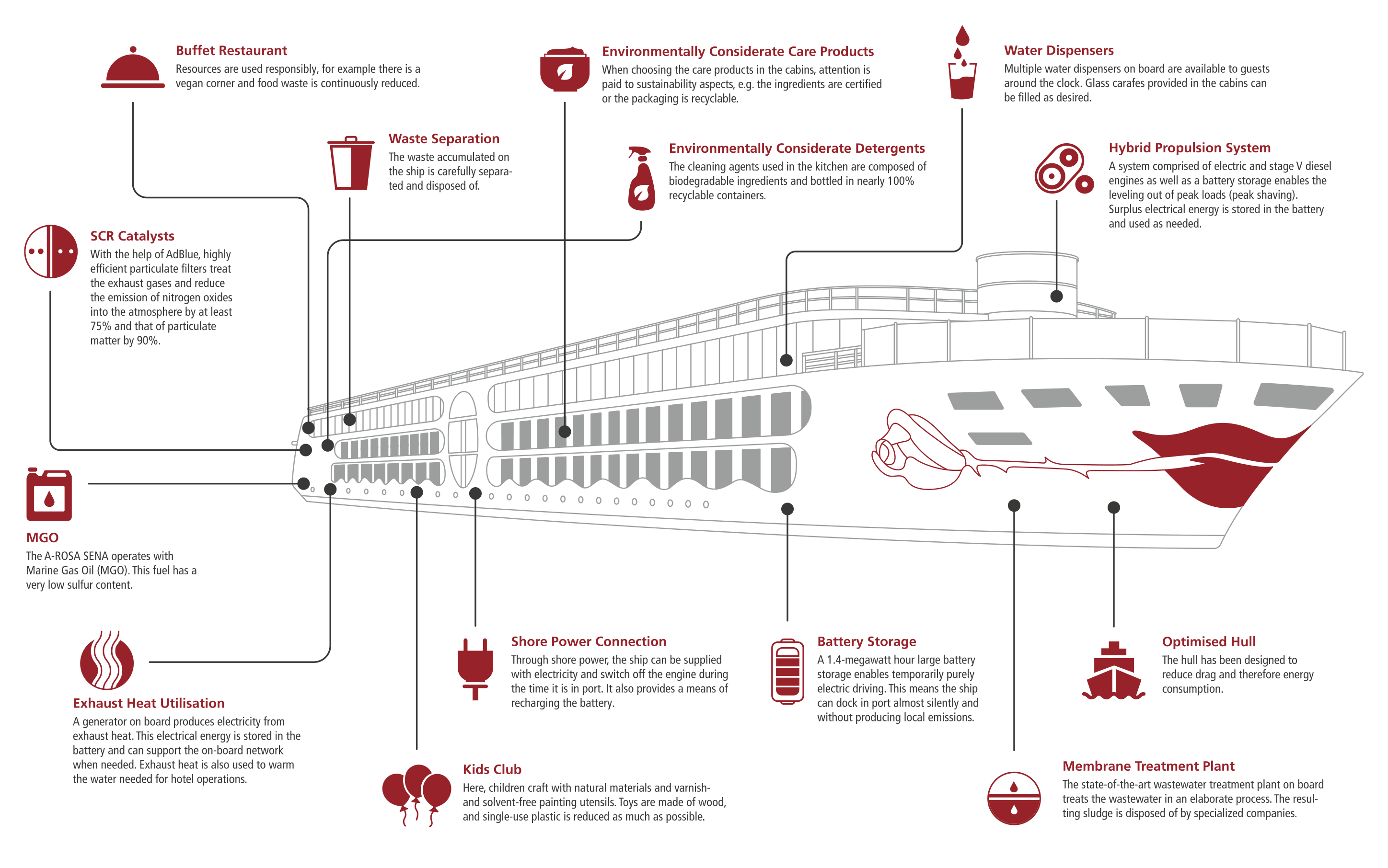
An important milestone on the sustainable course of A-ROSA is A-ROSA SENA. The E-Motion Ship joined the fleet in June 2022 and is symbolic for our future. This unique ship has a hybrid propulsion system, which is composed of diesel and electric engines. A large battery enables the so-called peak shaving and temporarily purely electric driving. Thanks to this, A-ROSA SENA can dock in ports almost silently and without producing local emissions. The innovative concept of the ship, which among other things further includes a heat recovery system and exhaust gas cleaning, has already earned A-ROSA multiple sustainability awards.
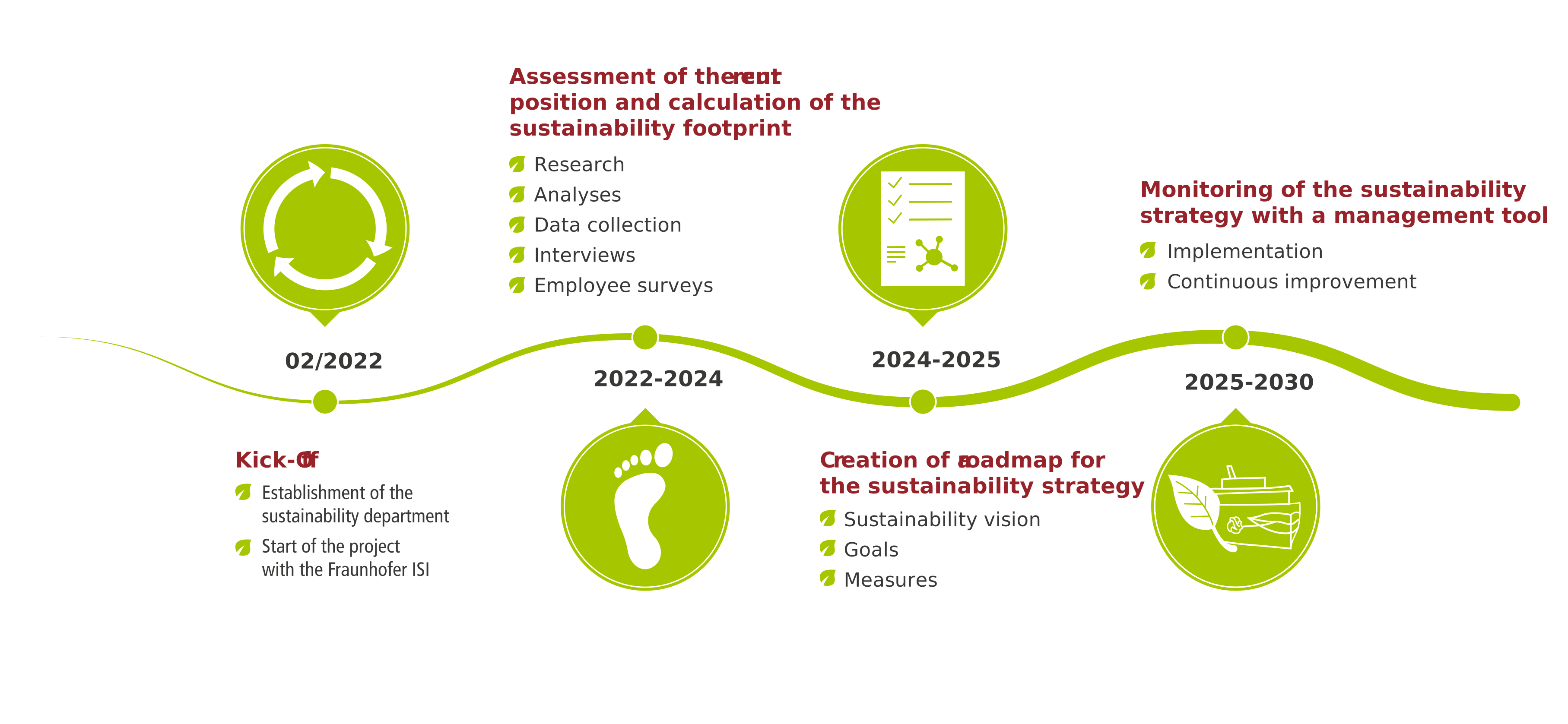
Sustainability is an important factor in all business sectors. A sustainable course is an ongoing journey that does not involve a single solution, but an interplay of countless small, medium and large measures. To address this complexity, we have established our own sustainability department at the beginning of 2022. Together with our project partner, the Fraunhofer Institute for Systems and Innovation Research (ISI), this department is currently developing a well-founded and holistic sustainability strategy, which includes a target-oriented roadmap.

The Sustainability Project of A-ROSA
For the development of a holistic sustainability strategy, it is important for us to have the support of a skilled, scientific project partner. That is why we work with the Fraunhofer Institute for Systems and Innovation Research (ISI) and the Karlsruhe Institute of Technology (KIT). The Fraunhofer ISI is one of the leading institutes for innovation research in Europe. It investigates the many different conditions under which innovations originate and their effects and helps decision-makers set a strategic course.
Food Waste and Its Global Impact
We want to indulge our guests in every way on our cruises – which is why there is no shortage of culinary delights on board. At mealtimes, we offer varied high-quality buffets, which are alternating daily.
In the future, we want to perfect the balance between a diverse offering and as little food waste as possible at these buffets, as the issue of food waste is ever-present. We deal with this topic on board on a daily basis. In order to quantify our progress in reducing food waste and to be able to derive measures, we rely on innovative technology: An intelligent waste analysis system has already been installed on three of our ships. This system records which types of food waste occur and in what quantities, presenting the data in a clear format and accessible way. This allows us to precisely identify where we can reduce waste and to continuously optimize our processes and culinary offerings. In addition, our crew receives ongoing training to handle ingredients and meals as sustainably as possible.
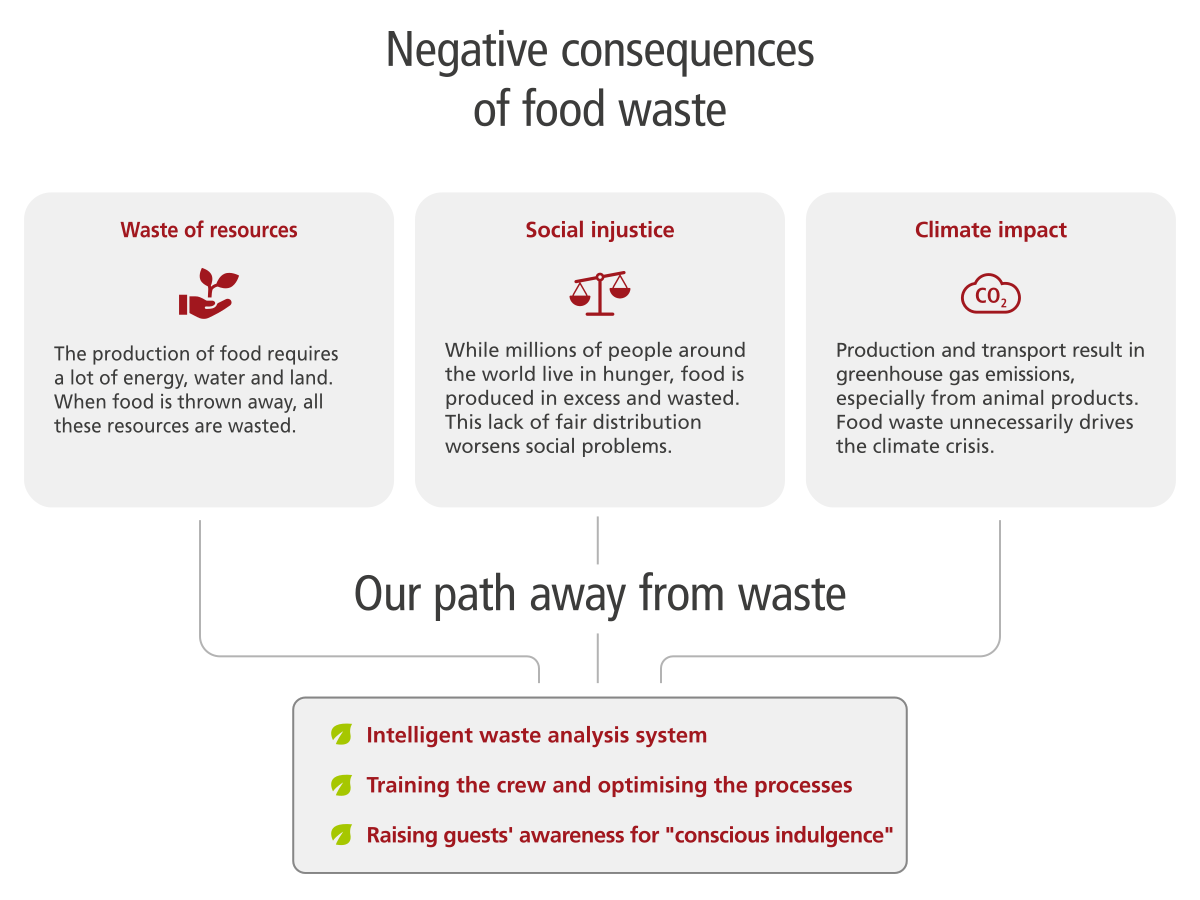
Another measure that we are already actively drawing our guests’ attention to on board is “conscious indulgence”. Eating is a pleasure that our guests can experience at their leisure. Our buffets are regularly replenished so that it is easily possible to come back to the dishes that were particularly good on the first plate.
But why is the appreciation of our culinary offerings also so important to us from a sustainability perspective? Put simply, food ends up in the bin far too often and this waste has fatal consequences. However, a well-thought-out production of food and the considerate handling of it not only protects the environment and its inhabitants, but also contributes to improving global food security and keeping the prices of staple foods stable. And that is exactly why it is so important to us to (further) process the food used on board as efficiently and precisely as possible. An aim that can only be achieved together with the crew and our guests.
The production of food requires large quantities of resources: farmland, water, fertiliser and energy for harvesting, processing, transport and disposal. Therefore, every item of food thrown away not only means a loss of food, but also a loss of the resources that went into its production. According to the Federal Statistical Office of Germany, around 11 million tons of food waste are produced in Germany every year, which amounts to around 78 kilograms per person.
The environmental impact of food waste is substantial. The annual greenhouse gas emissions generated by food waste are estimated at 4.4 gigatons worldwide. If this waste were a country, it would be the third largest source of greenhouse gases in the global ranking.
Every step in the life cycle of a food product causes greenhouse gases. Animal products in particular have a poor carbon footprint: one kilogram of beef, for example, produces 14,100 grams of CO2 equivalents. Although meat only accounts for a small proportion of food waste, it is responsible for almost half of the greenhouse gases caused by it. If this food is thrown away, the environmental pollution has been in vain.
Around a third of the world’s food is wasted along the entire supply chain – that’s 1.3 billion tons of food every year, according to the Food and Agriculture Organization of the United Nations (FAO). The majority of this, over 930 million tons according to the UN, is lost at the end of the chain – in private households, restaurants and the like.
This global loss also has ethical implications: There are currently around 8.2 billion people living on the planet. The Global Hunger Index has identified around 735 million of these people as undernourished in 2023, even though studies show that a holistically sustainable and efficient food production system could feed far more people than there are currently on Earth. So where does it go wrong?
In developing countries, agricultural land is often used for food exports to high-income countries or is designated for the cultivation of animal feed and biofuels, which restricts the local population’s ability to produce their own food. In industrialised countries, on the other hand, people are used to an oversupply of food, which leads to a careless attitude towards it.
The resulting overproduction is devastating and at the same time global demand for resources such as grain is growing. This leads to rising prices for staple foods, which hits low-income countries particularly hard. And last but not least, many of these countries do not have sufficient infrastructure: a lack of transport, storage and cooling facilities means that large quantities of food spoil too soon.
In its “National Strategy to Reduce Food Waste”, the German Government has declared the goal of halving food waste in Germany at trade and consumer level by 2030, as well as reducing food losses along the production and supply chain. This plan is based on the Sustainable Development Goals, which all members of the United Nations have committed to.
Consumers who are aware of the labour and resources that are needed to produce food are more likely to value it and act in a more sustainable way. This change in behaviour at a personal level can be encouraged by a supportive food environment, e.g. in the supermarket, in a restaurant or on holiday.
It is therefore a joint responsibility to actively counteract food waste. Achieving this would mean a 10 per cent reduction, i.e. 17 million tons of CO2 equivalents, in greenhouse gas emissions caused by food consumption in Germany. The area of land required for food production in the country could also be reduced by 4 million hectares – an area that among other things then provides sufficient space for wildlife. After all, food waste, e.g. through deforestation and harmful cultivation and breeding methods, also poses a major threat to the biodiversity of animals and plants.
Get to Know Our Sustainability Department
At the beginning of 2022, A-ROSA established its own sustainability department to approach the topic of sustainability holistically and to centralize all relevant points in one department going forward. Sandra Wendland, our Sustainability Manager, is in charge of the department and reports directly to the management of A-ROSA. She is supported by her colleague, the Junior Sustainability Manager Cynthia Hoppe.
Sandra Wendland graduated with a bachelor’s degree in Leisure and Tourism Management and afterwards completed a master's degree in International Business and Sustainability. While studying, she already acquired work experience at a large cruise company. She went on to work as a Corporate Responsibility Specialist for a large retail corporation. She focused on social issues, such as labour and social compliance in the supply chain, as well as environmental issues, in particular sustainable packaging.
Cynthia Hoppe has a master's degree in industrial engineering. While still a student, she worked at the Fraunhofer Institute for Large Structures in Production Engineering (IGP), where she was hired as a research associate after graduation. In the "Production Systems and Logistics" department, she supported regional industrial partners in making their processes more efficient. For example, she worked with a shipping company and a ferry and cruise operator to develop an innovative solution to reduce emissions through optimised workflows.

Wendland and Hoppe are now contributing all their expertise to A-ROSA and are working ambitiously on further advancing the focus on sustainability and developing a profound sustainability strategy with the support of the Fraunhofer ISI.


WASTE REDUCTION
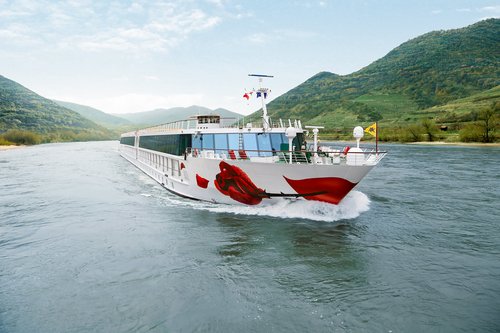
Forward planning and a considerate approach help us to avoid waste as well as reduce and compensate for water and energy consumption. We have an efficient waste management process on board our ships.
All waste is separated and then handed over to certified partner companies in selected ports. This ensures that it is disposed of correctly.
CLEAN WATER
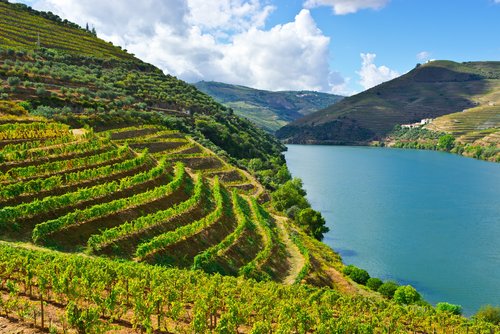
At A-ROSA we aim to preserve the high water quality of the rivers. Waste water undergoes a complex treatment process on board our ships via certified systems.
This protects the rivers from contamination. The sewage sludge produced during treatment is disposed of at ports, by specialist companies.
REDUCING SINGLE-USE PLASTIC
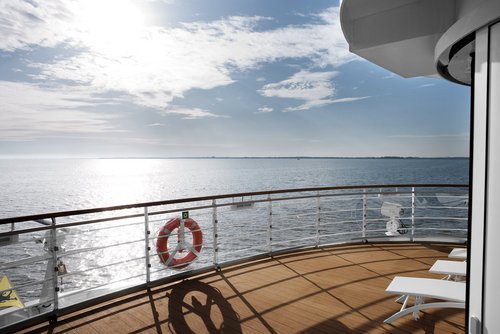
We’re working on removing non-recyclable plastic from our ships. Single-use plastic products are being replaced with sustainably produced or recyclable alternatives – from the bar areas to the kitchen to the housekeeping department. We refrain from carrying out unnecessary washing cycles. We also installed recyclable dispensers in the bathrooms and removed most ready-portioned products from the buffet. Almost all A-ROSA ships have water dispensers onboard, and the rest of the fleet will receive them soon. This allows our guests to use refillable carafes and water bottles instead of disposable plastic bottles.
REDUCING EMISSIONS
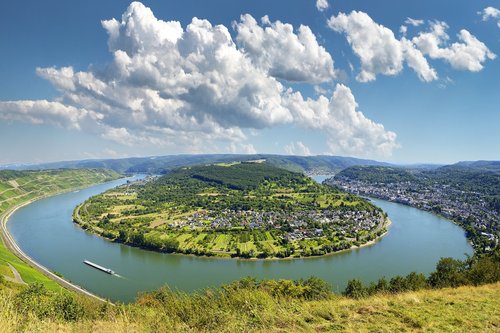
Our ships meet – and in most cases exceed – the strictest standards for safety and sustainability. All of A-ROSA’s ships are equipped with an onshore power connection, and we use it at all berths where it is possible. This avoids local exhaust emissions and reduces noise pollution significantly. Our ships are powered by marine gas oil (MGO), which is virtually the same as normal car diesel. It has a sulphur content of around 0.001% – more than complying with the EU rules for operating in European ports – and it doesn’t contain any heavy fuel.
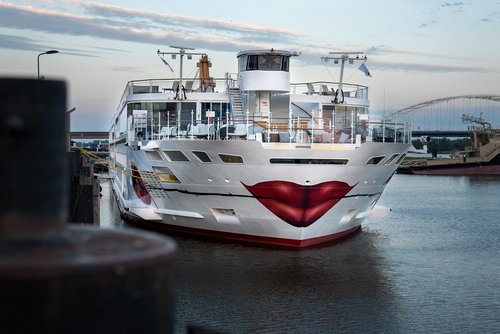
Furthermore new A-ROSA SENA joined our fleet in June 2022. The innovative E-Motion Ship is hybrid powered, which means it has both diesel and electric engines. A large battery allows A-ROSA SENA to dock in ports almost silently and without producing local emissions.
A-ROSA SENA
A-ROSA is clearly focussed on sustainability. It was therefore a given for us that we would not rely on existing technologies for our new ship, but rather develop something new – something better. Matthias Lutter, our Head of New Building, is a specialist in this field. Together with the Concordia Damen shipyard, he developed an E-Motion Ship with a comprehensive energy management system, a battery storage and an optimised hull design. A-ROSA SENA’s propulsion system combines diesel and electric engine as well as a large battery. This concept enables peak shaving and temporarily purely electric sailing. This means that the ship can dock in ports almost silently and without local emissions. Thanks to the shore power connection, the battery can be recharged in suitable ports.
GREEN AWARD
Six A-ROSA ships have already received the prestigious Green Award. A-ROSA AQUA, A-ROSA BRAVA, and A-ROSA SILVA were thoroughly inspected and received a certificate in Silver. Our new fleet members A-ROSA ALEA and A-ROSA CLEA have been awarded Bronze certification. A-ROSA SENA was even certified with Gold, a level that only a few river ships have reached so far. Since 1994, the Green Award certifies ship owners who are committed to sustainable shipping and whose measures go beyond official standards. For A-ROSA this renowned award is a motivation to further develop and optimize modern technologies and safe processes.