Southern Rhine: Regions and Cities
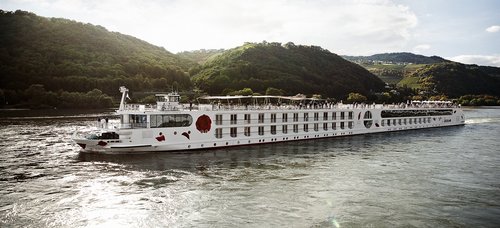
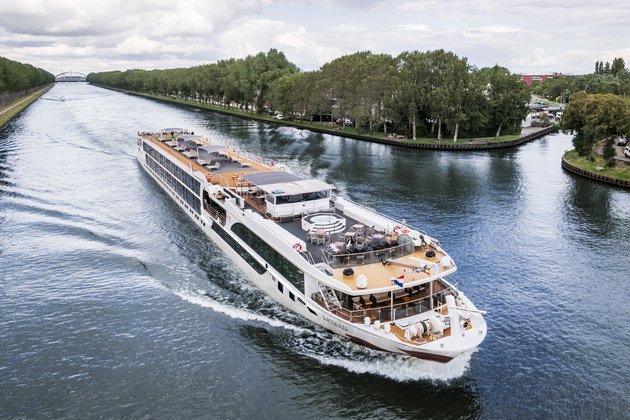
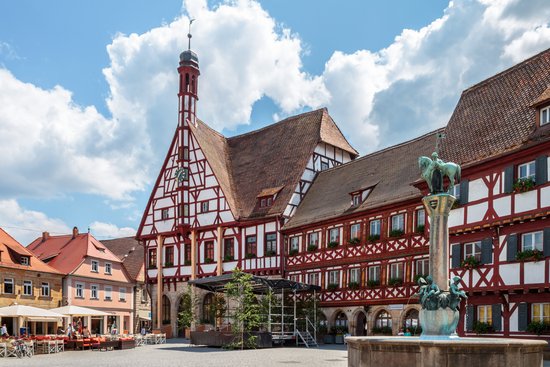
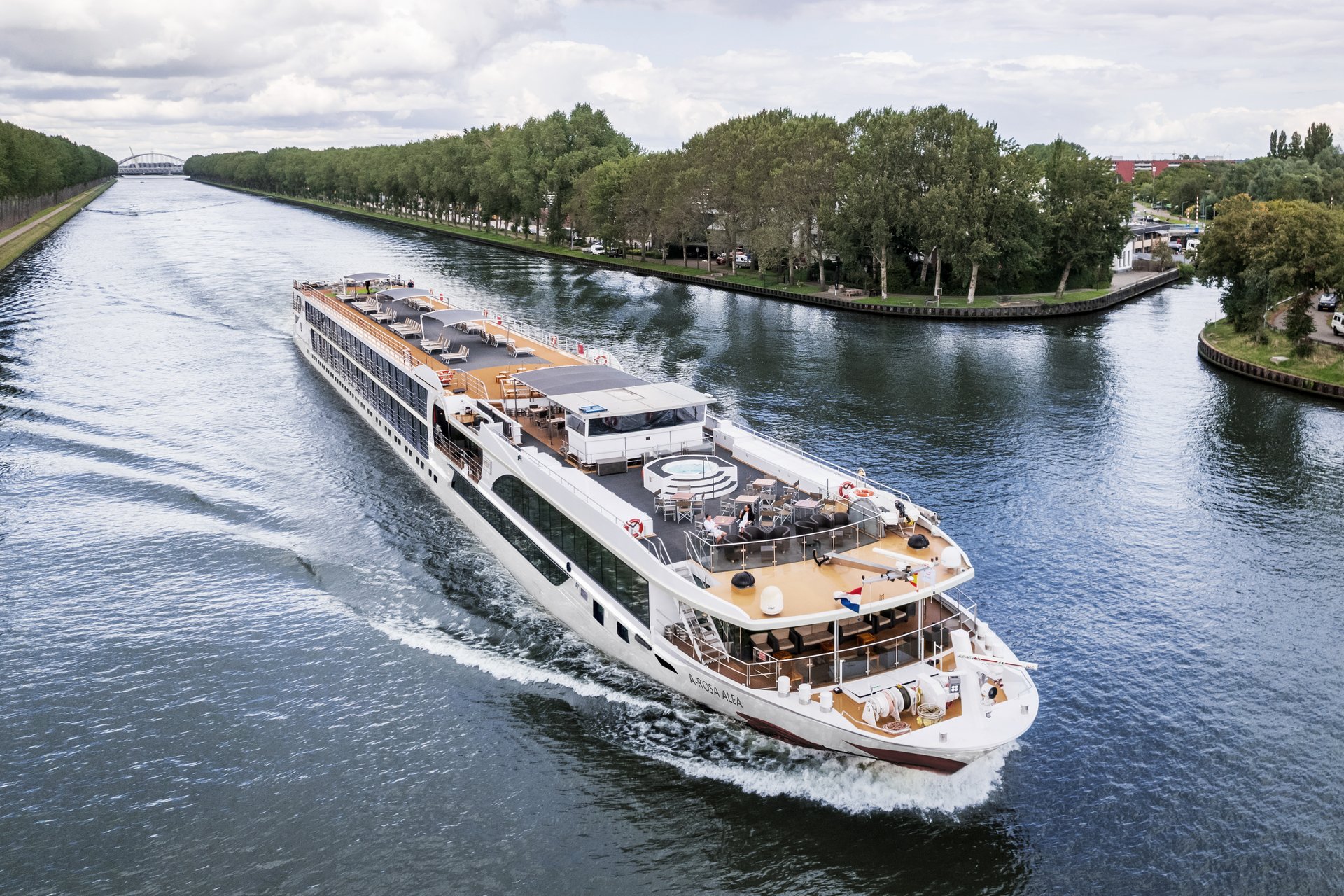
Life is more laid-back south of the bustling cities of the Ruhr region, but it’s never dull here! Take a river cruise on the southern Rhine and wind your way through fairytale-like river bends, past stately castles and palaces perched on the slopes. The UNESCO World Heritage Upper Middle Rhine Valley is home to small towns and narrow streets lined with half-timbered houses, just waiting to be explored.
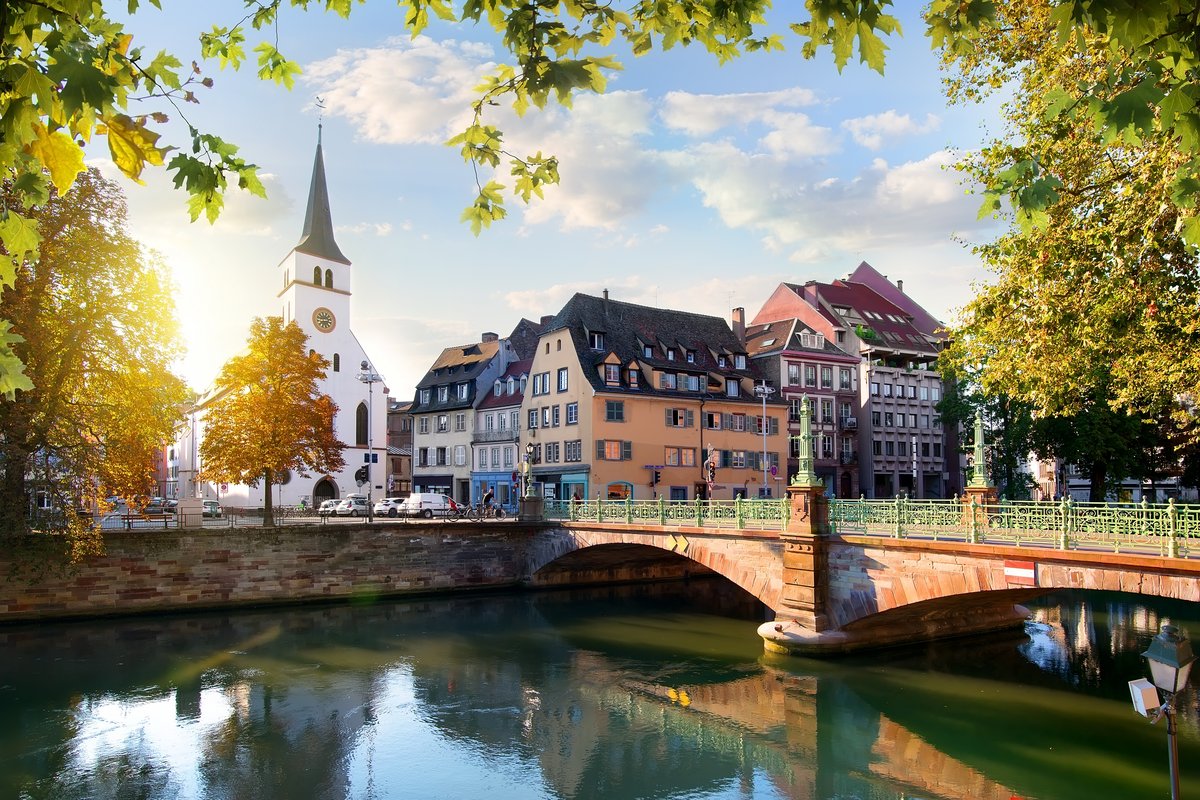
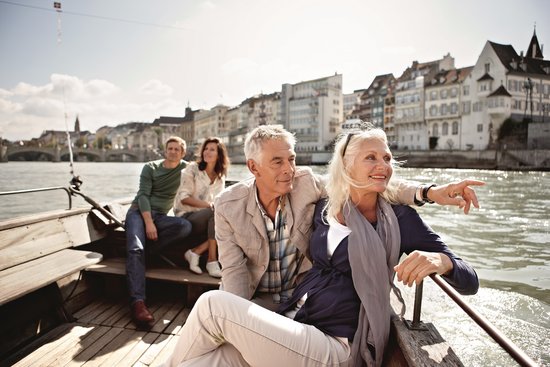
But the vibrant, iconic cities also want to reveal their splendour to you. Visit the European Parliament in Strasbourg and treat yourself to a traditional Alsatian tarte flambée. Basel, where Switzerland, Germany and France meet, blends these nations in a way that no other city does.
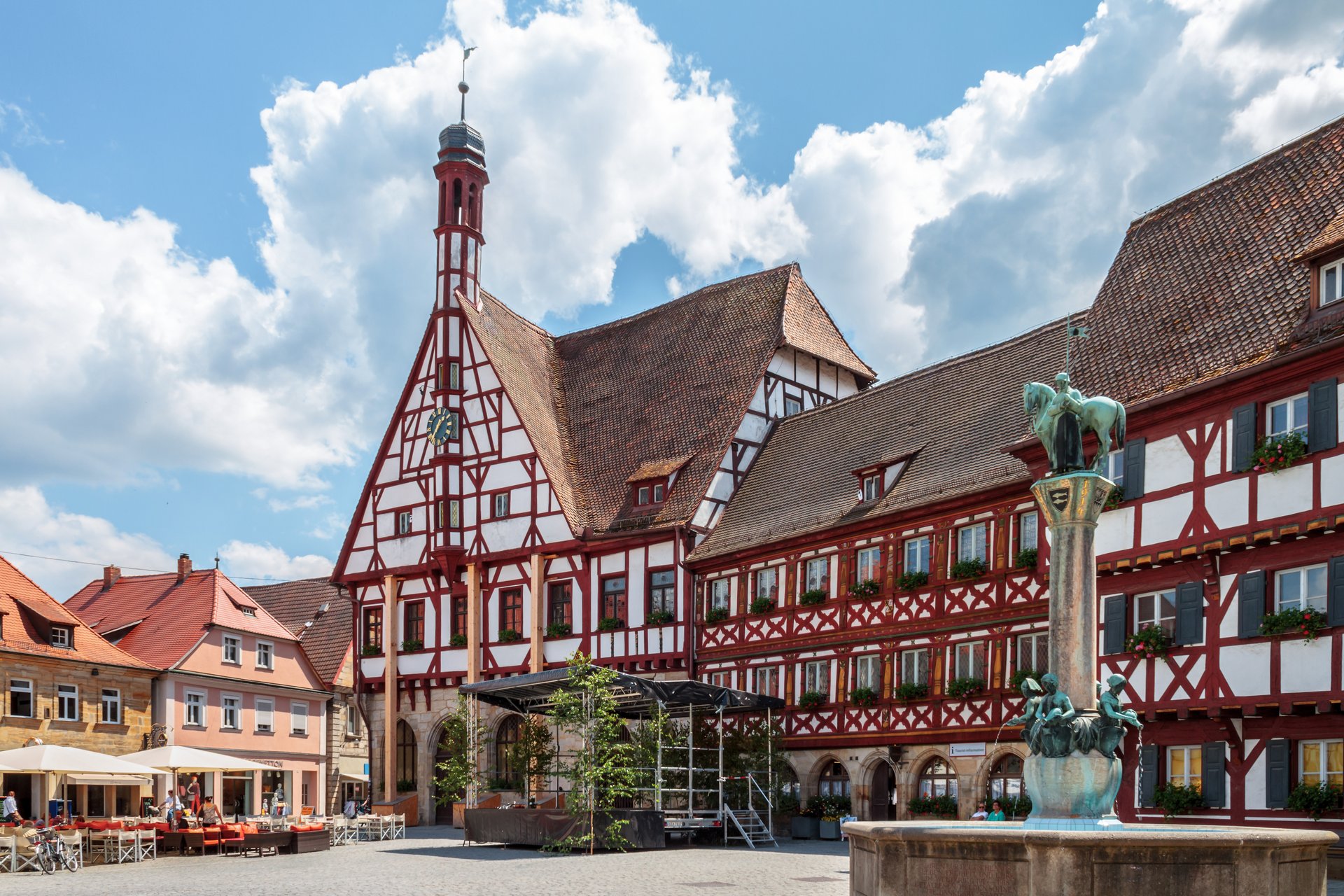
Every evening, Goethe’s city on the Main, with its unmistakable skyline, showcases its lights. Starting in Frankfurt – the 'Manhattan' on the Main – this route will take you all the way to the historic city of Nuremberg.
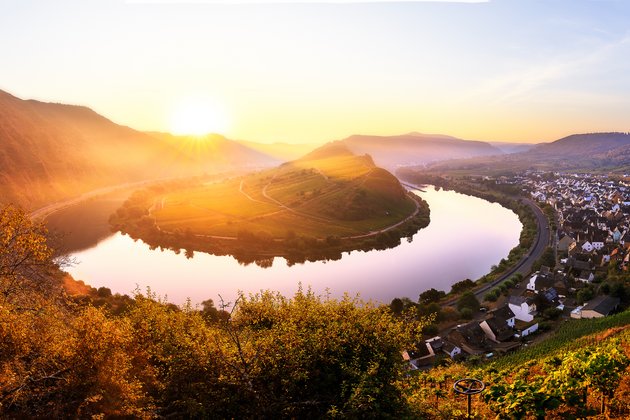
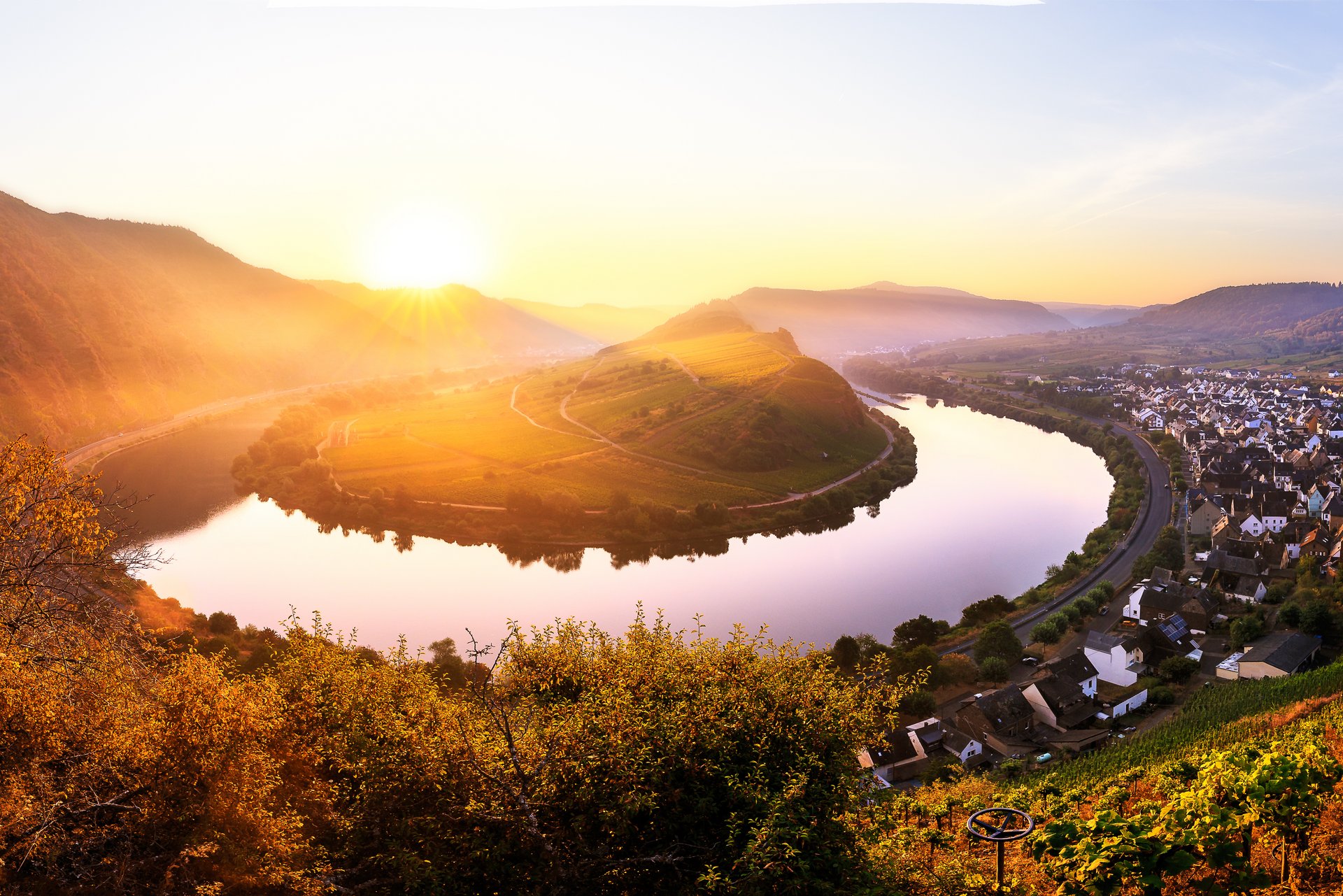
There is also plenty to discover along the beautiful River Moselle. On board, you can enjoy stunning views of the vine-covered riverbanks, and ashore you can explore historic cities such as Trier, a city with Roman origins.
Hardly any other river in Europe is as diverse as the southern Rhine.
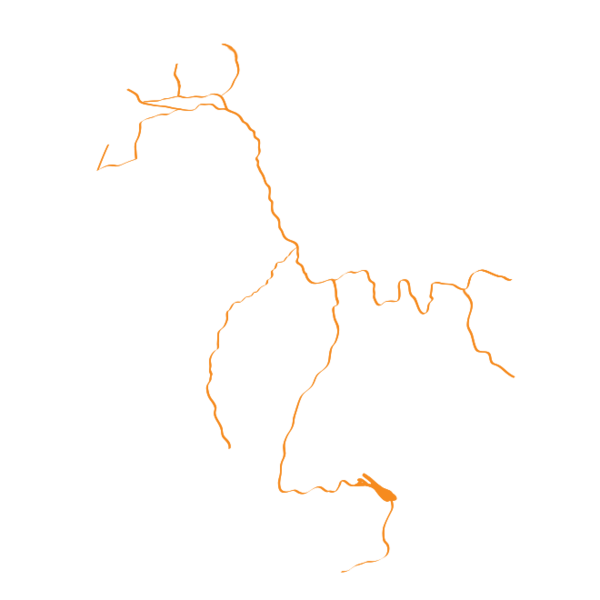
River Cruises on the Southern Rhine











HIGHLIGHTS ON THE SOUTHERN RHINE

Cologne
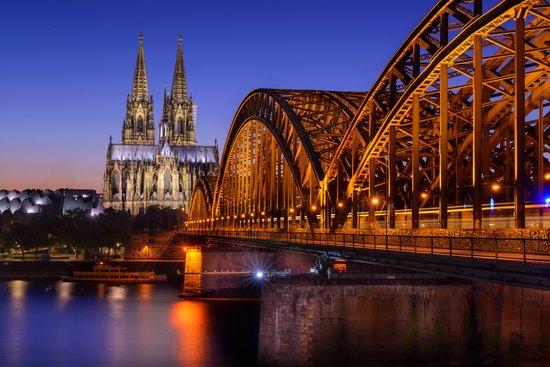
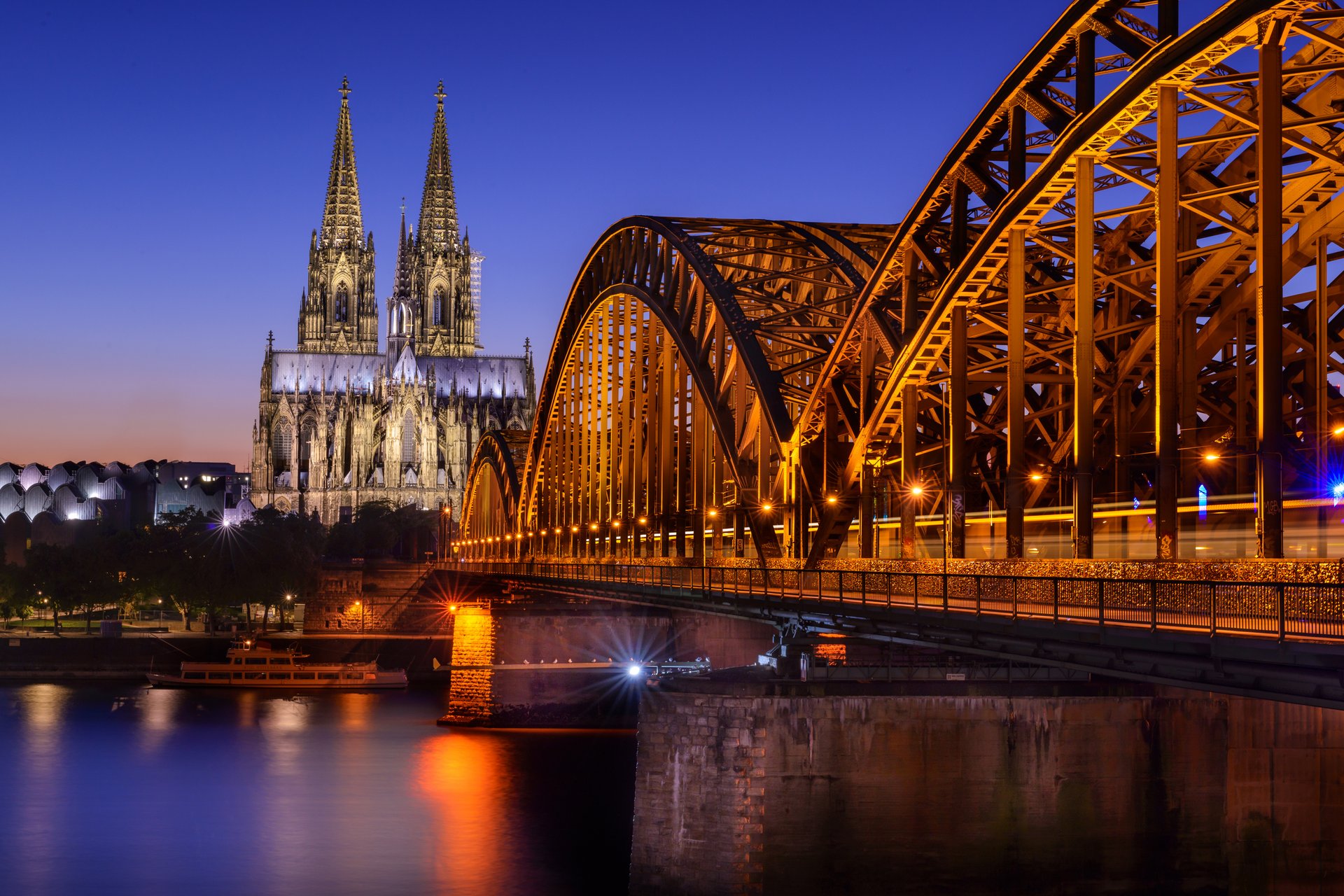
It’s not just the locals who consider Cologne to be among the best cities in the world. The typical friendliness that you find at every turn makes visitors feel at home right away. It’s not unusual to quickly get chatting to strangers and even go for a couple glasses of Kölsch with them. The main landmark – Cologne Cathedral – watches over the whole city. It is the third-tallest church building in the world, at 157.38 metres. It might be a bit of a trek up to the top of the tower, but it’s worth it. You’ll be rewarded with an unforgettable view of the city and the Rhine spread out before you.

Koblenz
What do you get when you cross modern rationality with southern nonchalance? Koblenz. This is where you’ll find Roman history, a high-tech research hub and a buzzing cultural scene all in one place. Don’t miss the delightful Kaiserin-Augusta-Anlagen, the southern part of the Rhine promenade. It was turned into a landscaped park with artistic historical monuments and sculptures between 1856 and 1861. If you fancy a treat, try Debbekooche. Originally eaten by those who couldn’t afford goose on Saint Martin’s Day, it is now considered a regional speciality and is traditionally served with apple sauce. Delicious!

Rüdesheim
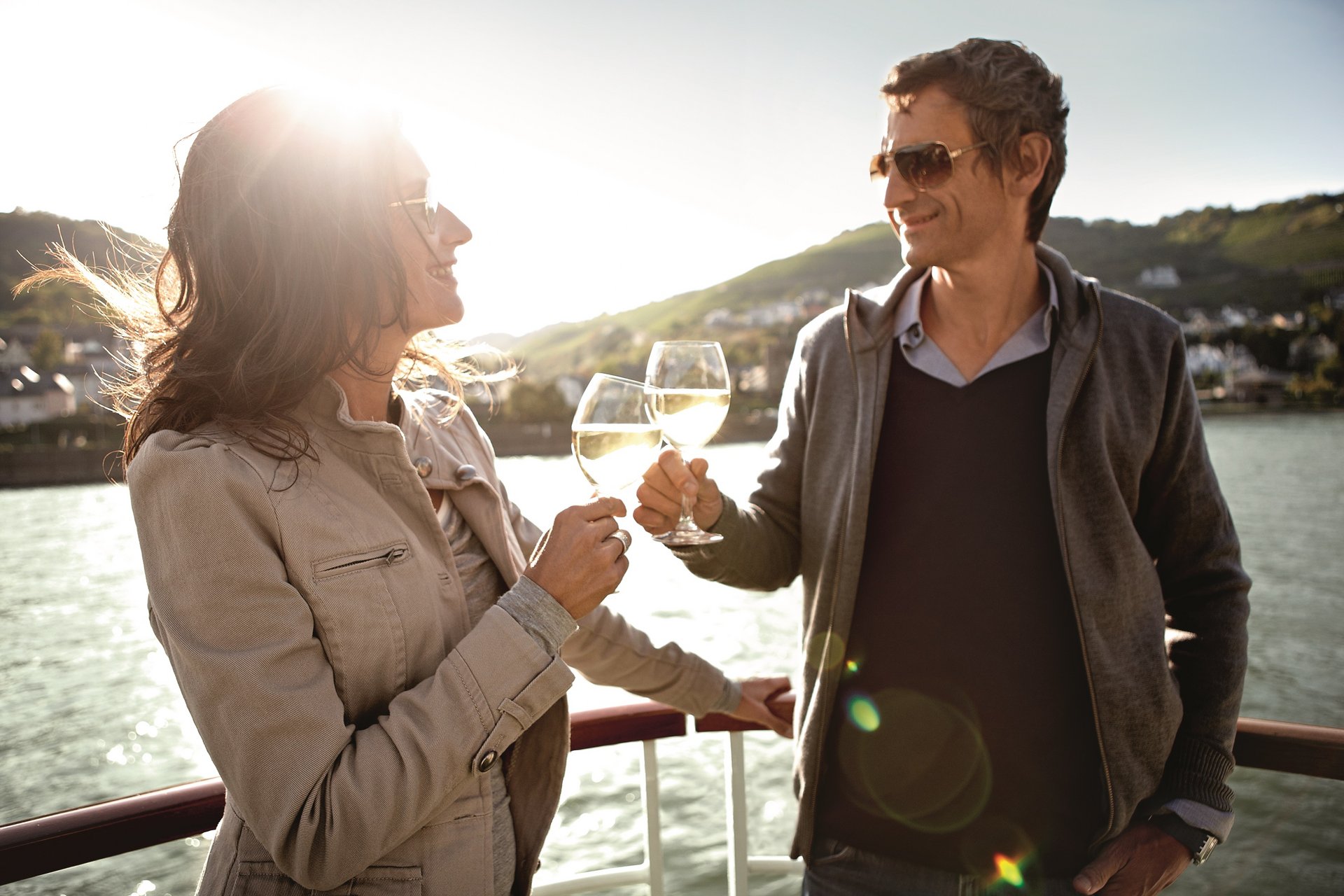
In the Upper Middle Rhine Valley – a UNESCO World Heritage Site – the town of Rüdesheim marks the end of several old merchants’ routes. This strategically important point used to be protected by four castles. Picturesque Rüdesheim is known all around the world for its outstanding wines. Make sure you take a walk through the charming little streets of the old town. Drosselgasse, an alleyway with half-timbered facades, is known as ‘The World’s Longest Wine Bar‘ and is reputed to be the most-visited tourist attraction in Germany after Cologne Cathedral. Wine cultivation was already in full swing here in Roman times – learn more about the winegrowers of antiquity and their successors at the Rheingauer Weinmuseum in the Brömserburg, an old castle. And if you want to sample the wines that are being produced today, head to the rustic wine taverns in the old town.

Mainz
Halfway between Lake Constance and the North Sea, the Rhine meets Mainz.
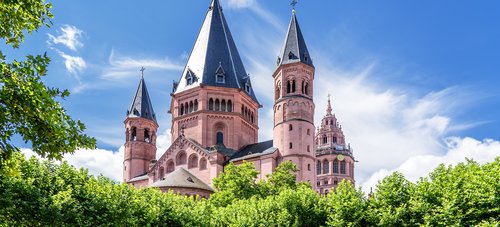
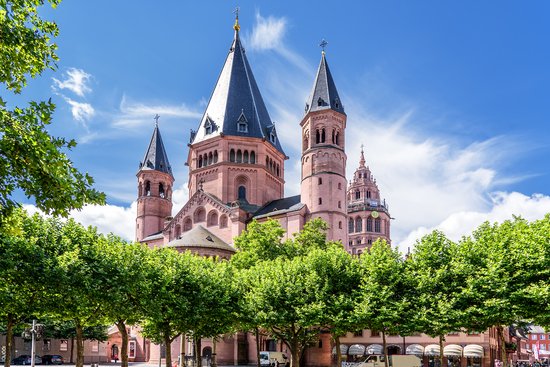
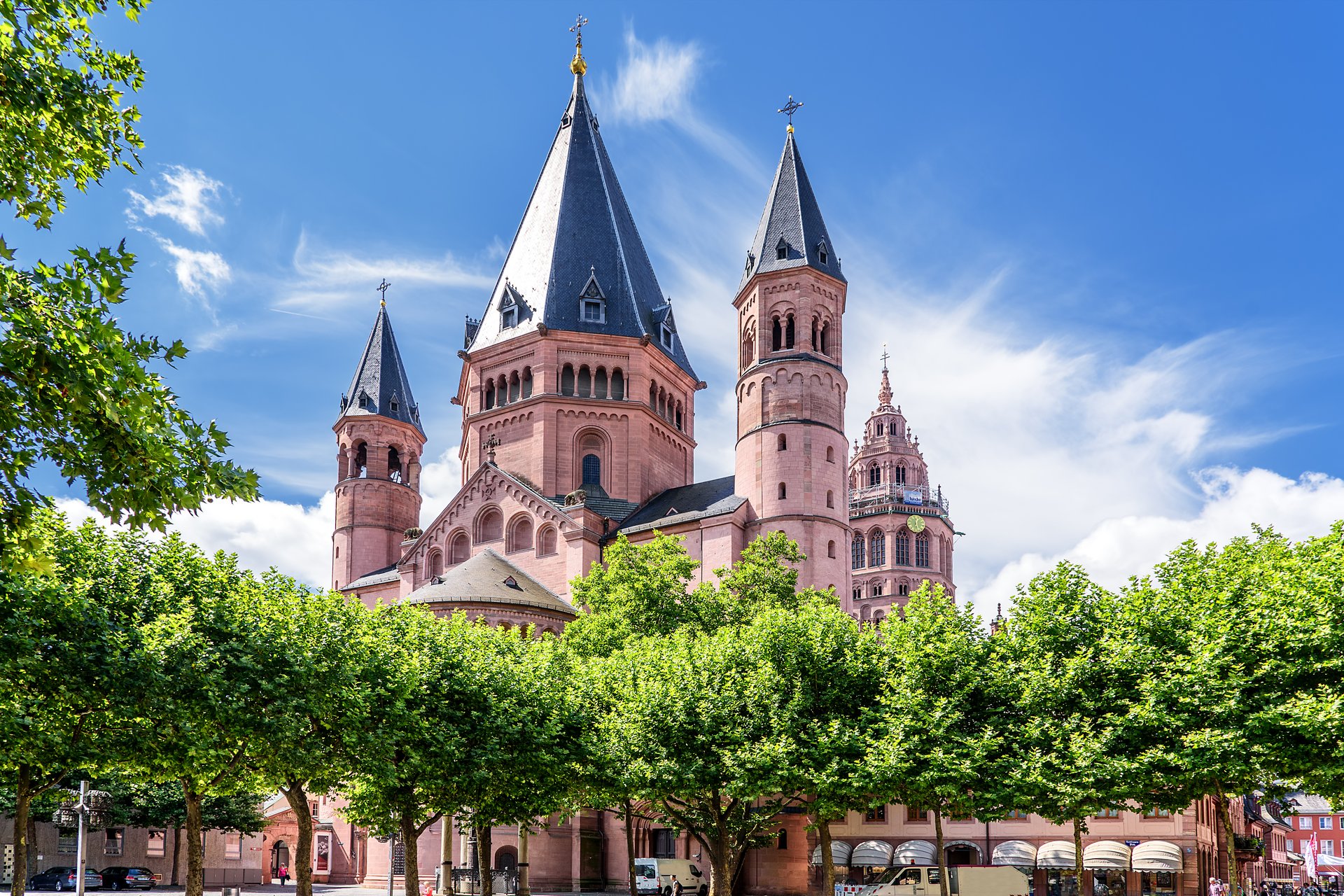
This carnival city is known for its cheerful atmosphere and its hospitality. Why not go for a stroll along the tranquil riverbank or enjoy a good glass of local wine while you’re there? You could also visit the city’s main landmark: Saint Martin’s Cathedral. It boasts one of the richest church interiors in the Christian world. Another important building in Mainz is the Kurfürstliche Schloss (Electoral Palace). This is a prime example of the German Renaissance style of architecture.

Frankfurt on the Main
‘Hier bin ich Mensch, hier darf ich’s sein’ (‘Here I am man, dare man to be’). This quote by Frankfurt’s most famous son – Johann Wolfgang von Goethe – actually comes from his play Faust (and the English translation by Bayard Taylor), but it is also a very fitting way to describe Goethe’s hometown. Frankfurt’s combination of modern skyscrapers housing major finance companies and the old town with its historic buildings and half-timbered houses is unique. And if you fancy a break from the hustle and bustle, you can take a leisurely walk along the lovely bank of the Main.

Würzburg
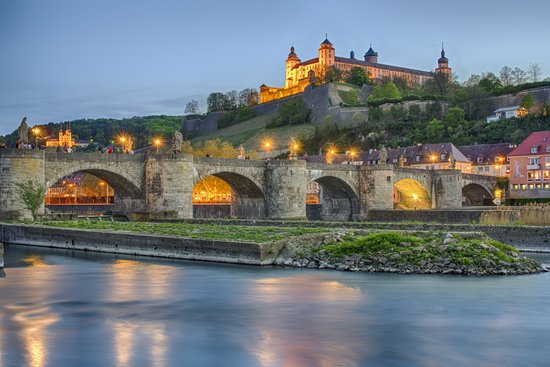
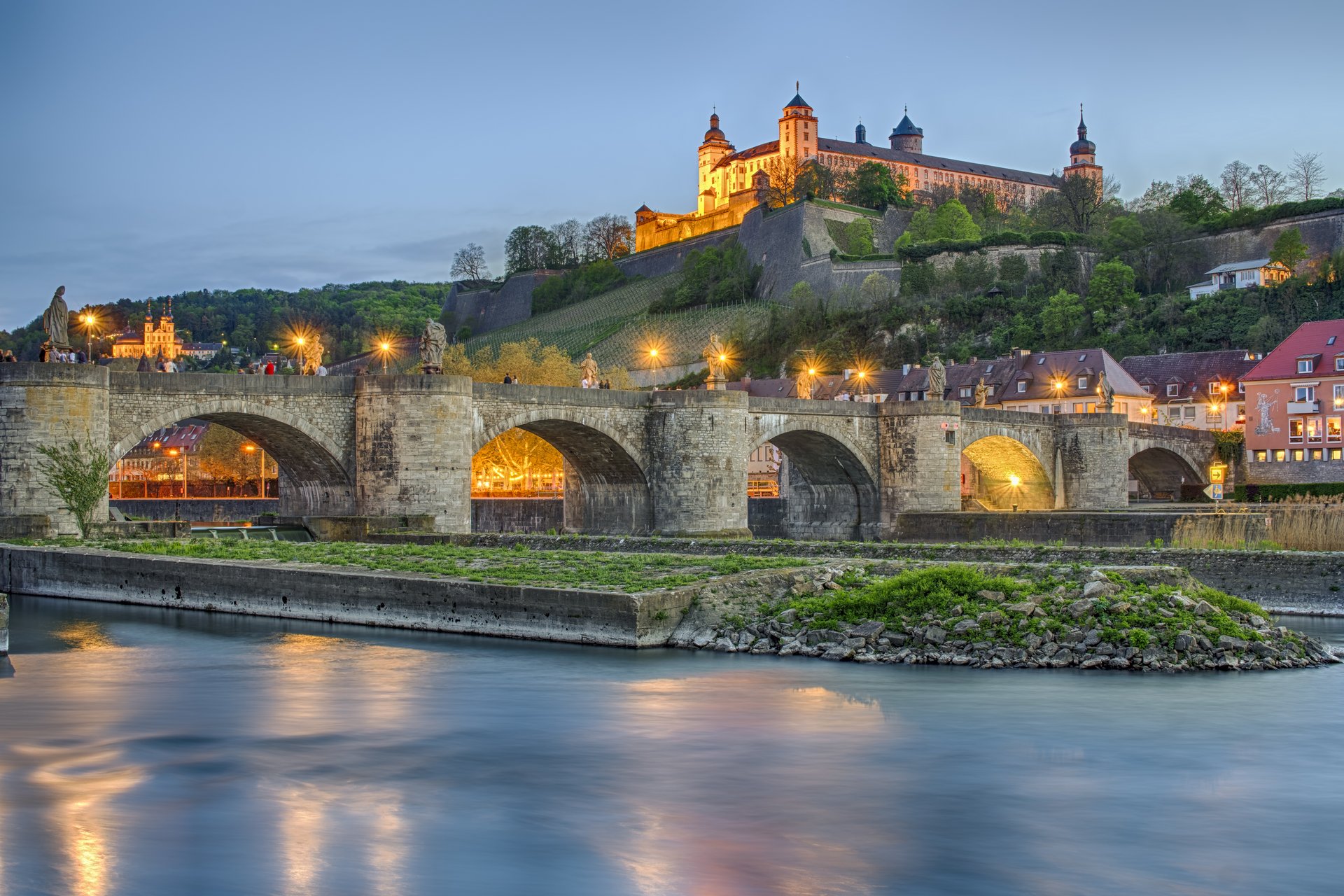
This student city is the home of one of Germany’s oldest universities. Situated right on the Main river, the city is dominated by the Marienberg fortress. Previously used to house bishops, the fortress has two museums in it today. The Würzburg Residence is one of the most important buildings of its kind from the late baroque period, and the Mirror Cabinet – a room inside – is considered the best example of a rococo interior. Würzburg also has a great theatre scene, with a lot of improv groups, in particular.

MIDDLE RHINE VALLEY, LORELEI, MOSELLE VALLEY
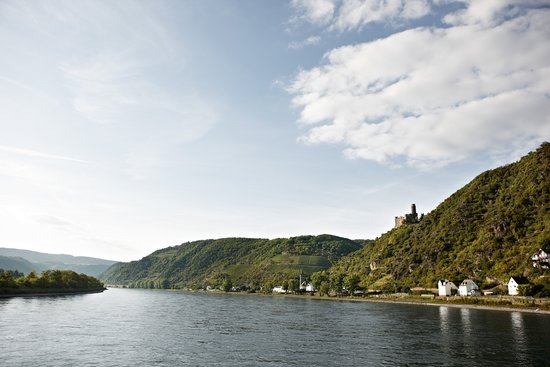
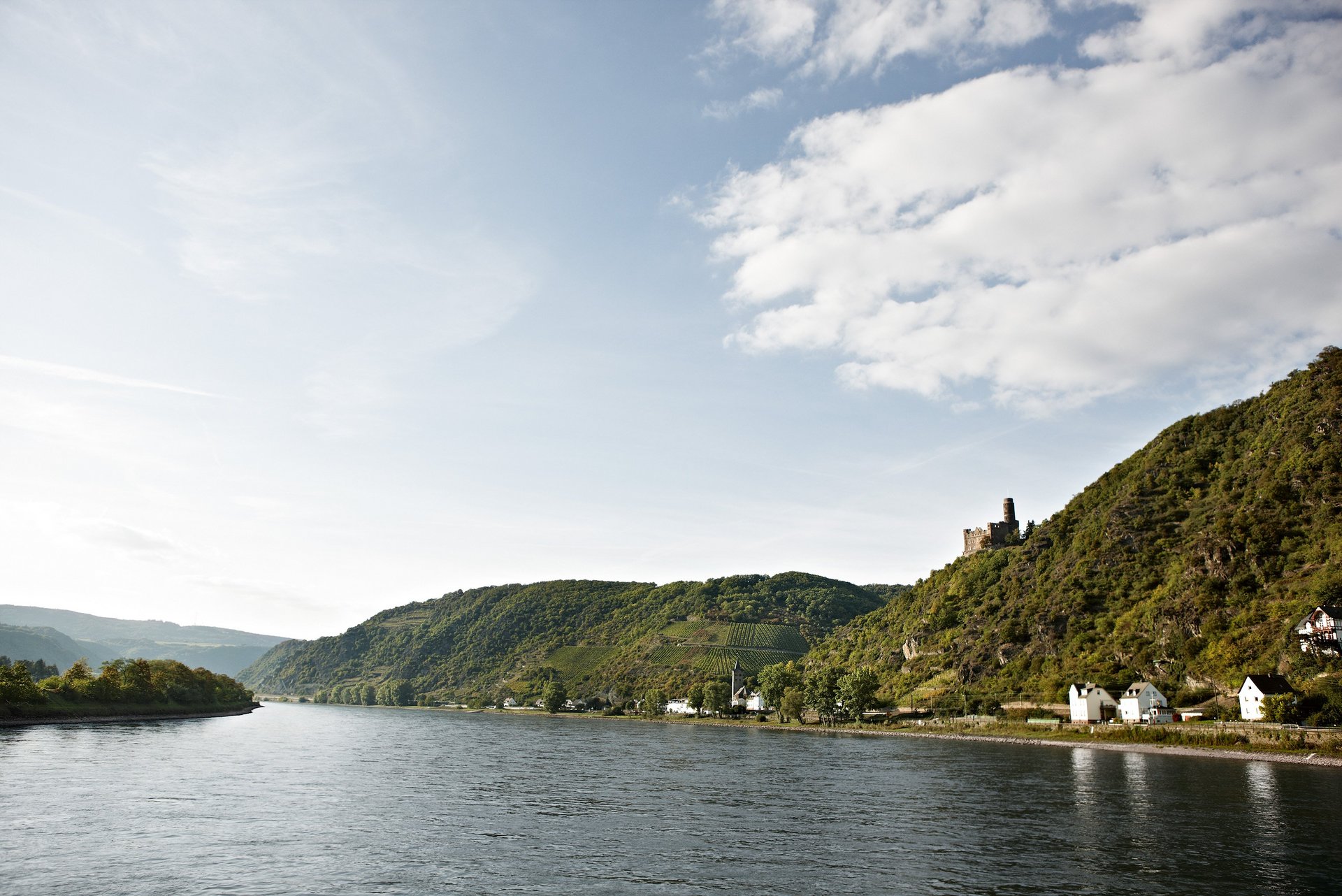
Here, at the heart of Europe, you’ll find the true centre of Rhine Romanticism: the Middle Rhine Valley. With vine-clad slopes, palaces and castles scattered across hills, and villages nestled along the riverbanks, it is clear why this area was named a UNESCO World Heritage Site in 2002. This stretch of the river is also where you’ll find what is perhaps the most famous slate rock in the world: the Lorelei. In 1801, Clemens Brentano wrote the ballad Zu Bacharach am Rheine about an enchantress who was able to bewitch any man. Heinrich Heine later also referred to this legend in Die Lore-Ley – probably his best-known poem.

Cochem
Even though it is Germany’s second-smallest district administrative centre, Cochem can look back on a long history, witnessed by its majestic Imperial Castle and the ruins of the Winneburg, each of which overlooks the town from its own small hill. Cochem is also home to the Pestkapelle (Plague Chapel) and the Kapelle zu den drei Kreuzen (Chapel of the Three Crosses). While these two places of worship are by no means huge, their understated elegance and beautiful location make them well worth a visit.

Worms
Charlemagne made Worms his winter residence in the ninth century – and not without reason. Part of Rhineland-Palatinate today, it is a wonderful place to visit. It is also full of history. The city is one of the most important settings in Germany’s most famous legend – The Nibelungenlied. As if that weren’t enough, it is also where Martin Luther was summoned to appear before the Diet of Worms.

Trier
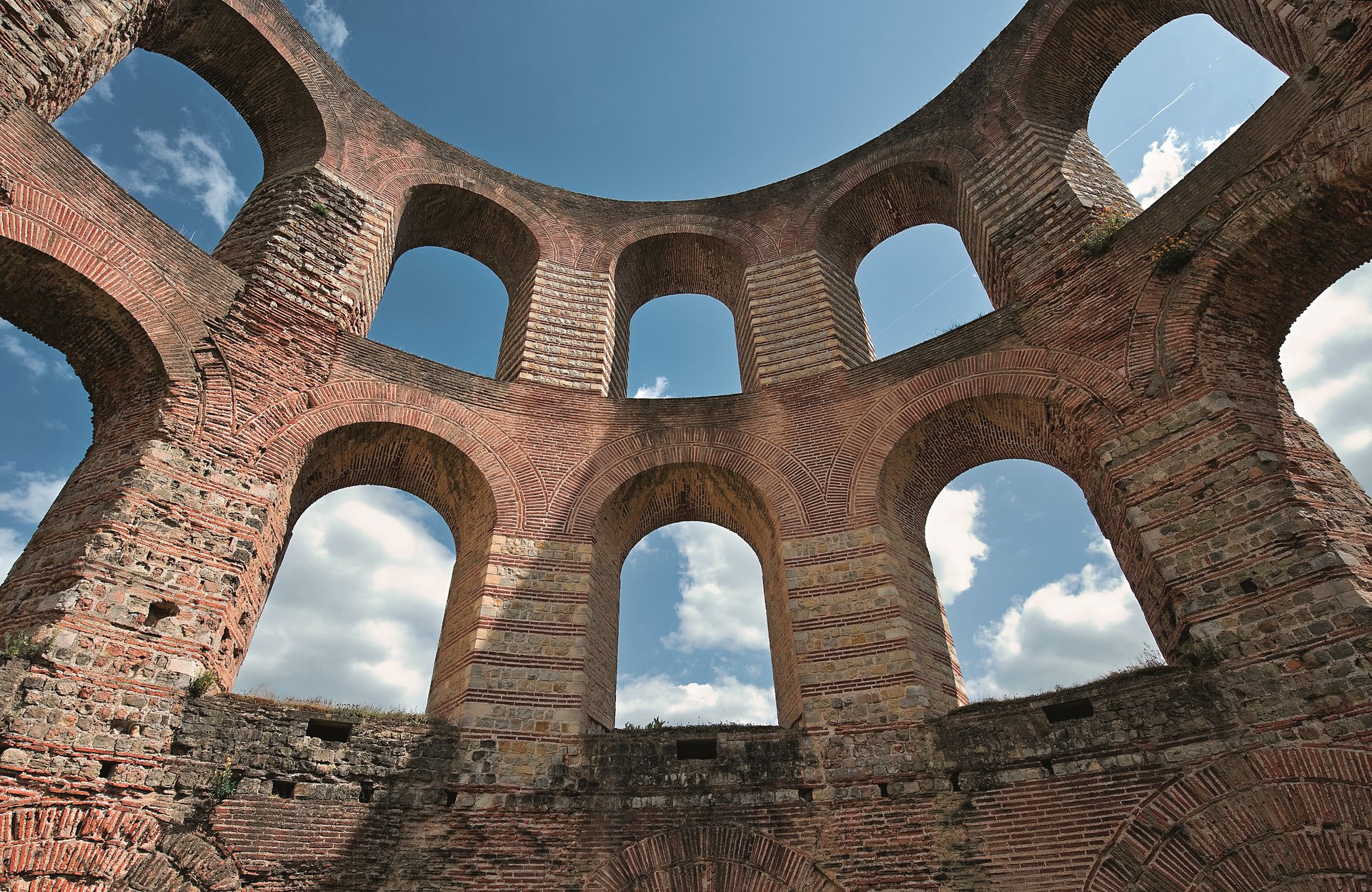
Trier was founded in 16 BCE by the Roman Emperor Augustus. The city can lay claim to the title of Germany’s oldest city, and it is also a UNESCO World Heritage Site. The Romans left a lasting mark on Trier, with historical buildings from that era still shaping the city’s appearance today: the amphitheatre, the Römerbrücke bridge, the Igeler Säule (Igel column), the Barbarathermen and Kaiserthermen baths, the Konstantinbasilika (Basilica of Constantine) and – of course – the city’s most famous symbol, the Porta Nigra. The name of this impressive former city gate is believed to be a reference to its weathered sandstone.

Strasbourg
The Roman commander Drusus founded Strasbourg as a military outpost in 12 BCE. Today it is a thriving metropolis that has maintained many small half-timbered houses and an historic old town. Even the briefest glance at Strasbourg Cathedral will tell you that you are standing before one of the most important of its kind in Europe – and one of the largest sandstone buildings in the world.

Basel
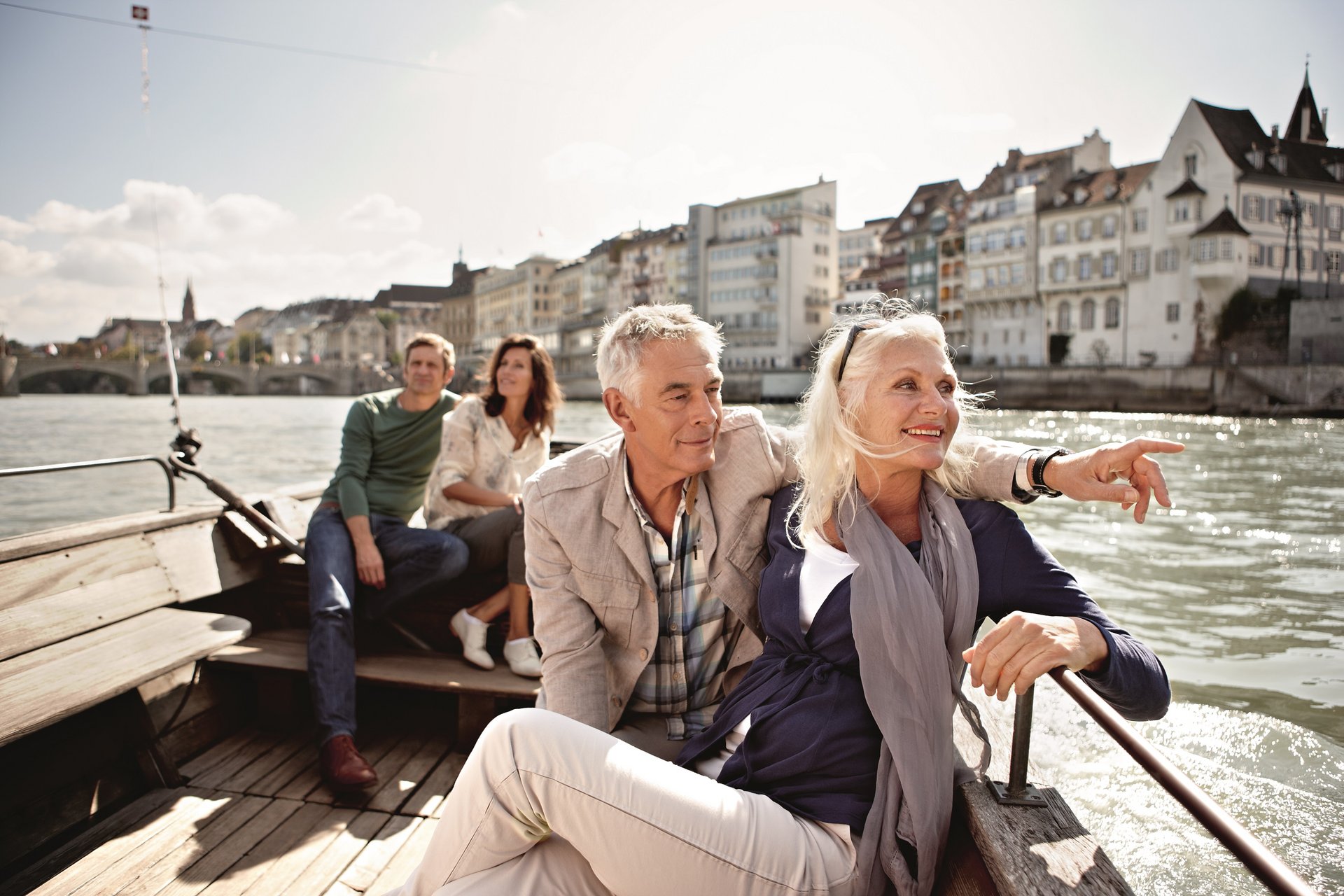
Founded right on the spot where Switzerland, Germany and France meet, Basel soon became an important European hub and centre of trade due to its special location. A popular attraction in the city is Switzerland’s oldest zoo – which the locals affectionately call the ‘Zolli’. It is one of the most important zoos in Switzerland and has gained global recognition for its breeding programmes. Basel also has eight churches with historical organs that still fill the naves with excellent music today.